Fat Loss vs. Weight Loss
Most people use “weight loss” and “fat loss” interchangeably, but they’re not quite the same thing. Weight loss simply means your total body weight goes down – but that drop can come from several sources: fat, muscle, water, or even the food currently sitting in your digestive system.
Fat loss, on the other hand, specifically refers to reducing your body fat while maintaining as much muscle as possible. That’s the kind of loss we actually want – because it improves body composition, health, and metabolism.
So when people say ‘I want to lose weight’, what they really mean (and should aim for) is fat loss – not just a smaller number on the scale, but a healthier body composition overall.
Why Muscle Matters (and Why the Scale Can Be Misleading)
One of the biggest mistakes people make when trying to lose fat is ignoring their muscle mass. Muscle isn’t just about looking toned – it’s metabolically active tissue, which means it burns calories even at rest. The more muscle you have, the more energy your body uses daily, which makes it easier to maintain a healthy weight in the long run.
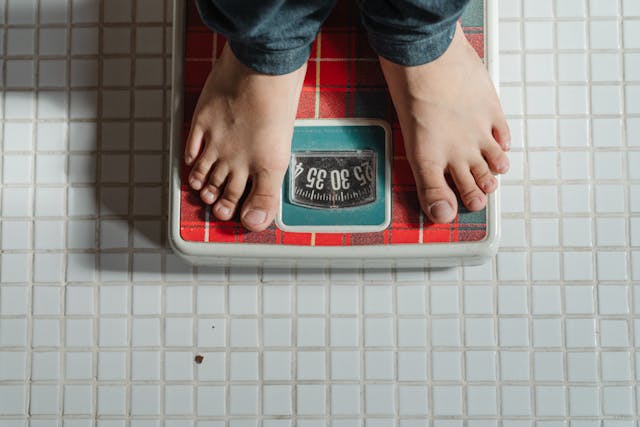
Here’s another important thing to know: because muscle is denser and heavier than fat, you can lose fat and gain muscle at the same time without seeing much difference on the scale. In some cases, the scale might even increase slightly, even though your body is leaner and fitter.

That’s why relying only on the scale can be misleading. Other ways to track your progress include paying attention to how your clothes fit, taking regular body measurements, tracking improvements in strength and endurance, or simply observing your energy levels and mood throughout the day. These signs often reflect real, long-term progress far better than the number on the scale.
The Simple Truth About Fat Loss
In theory, fat loss is simple. It all comes down to calories in vs. calories out. If you burn more calories than you consume, you’ll lose weight. This principle is scientifically sound and forms the foundation of all weight loss strategies.
But reality is not that simple, as several factors make fat loss a lot more complex than a simple equation.
Individual metabolism
Everyone’s metabolism is unique. Genetics, age, hormones, muscle mass, and even your daily activity level affect how many calories you burn at rest and during activity.
Hormonal influences
Hormones like insulin, leptin, ghrelin, cortisol, thyroid hormones, and sex hormones can affect appetite and energy regulation, significantly impacting weight loss. Stress, lack of sleep, and medical conditions can all disrupt hormone balance, making fat loss slower or more difficult.
Food quality matters
While technically a calorie is a calorie, the source of those calories can affect your body in very different ways. For example:
- 200 kcal from a sugary soda can spike your blood sugar and insulin, potentially increasing hunger and fat storage, and leaving you wanting more soon after.
- 200 kcal from nutrient-dense whole foods provide essential vitamins, minerals, and fiber, helping you feel full and satisfied for longer.
In addition, whole foods often have a lower calorie-to-volume ratio compared to ultra-processed options. This means you can eat a larger portion while consuming the same calories or less, which helps with satiety and long-term adherence to a healthy eating pattern.
Lifestyle and environment
Your habits, routines, and environment play a massive role in weight loss. Sleep, stress management, access to healthy foods, and social support all influence your ability to consistently stick to a calorie deficit. Even small lifestyle factors, like commuting, work stress, or family responsibilities, can have a big impact.
Setting Realistic Expectations
Because weight loss is affected by so many factors, it rarely happens in a straight line. Some weeks you might lose several pounds, while other weeks you might not see any change – or even gain temporarily. This is normal. Fluctuations are completely normal and often caused by water retention, hormonal shifts, glycogen storage, or even digestion – not a failure of effort.
It’s also important to remember that sustainable weight loss is gradual. The focus should be on building healthier habits that you can maintain long-term, rather than chasing a quick fix that’s impossible to follow. Rapid weight loss often leads to muscle loss, nutrient deficiencies, rebound weight gain, and can create a cycle of restriction and bingeing, ultimately worsening your relationship with food.
Restrictions Don’t Work – Fuel your Body Instead
One of the biggest mistake people make when trying to lose weight is eating too little or cutting out entire food groups. It might seem like the fastest way to see results, but let’s remember your body is built for survival. If it thinks you’re starving it, it will fight back by increasing your hunger cues and slowing down your metabolism to preserve energy.
Take nighttime sugar cravings, for example. While habits can play a role, if those cravings feel intense or hard to control, it’s often a sign you haven’t fueled your body properly during the day. When you skip meals or eat too little, your body looks for a quick energy source – and the fastest one it knows is glucose.
Instead of focusing on eating less, focus on eating enough of the right foods throughout the day. Balanced meals with protein, healthy fats, and complex carbs keep your blood sugar stable and help prevent those late-night urges that lead to overeating or guilt.
And remember, progress doesn’t come from perfection – it comes from consistency. If you spilled half a glass of milk, you wouldn’t say “oh well” and pour out the rest. So don’t apply that all-or-nothing mindset to food, either. One less-than-perfect meal doesn’t ruin your progress; what matters most is what you do consistently over time.
Sources
https://www.mdpi.com/2072-6643/13/8/2493
https://www.researchgate.net/publication/242334725_Increasing_muscle_mass_to_improve_metabolism
https://pubmed.ncbi.nlm.nih.gov/27345309
https://pmc.ncbi.nlm.nih.gov/articles/PMC2924463/#S9
https://www.ncbi.nlm.nih.gov/books/NBK574539
https://pmc.ncbi.nlm.nih.gov/articles/PMC11940499
https://pmc.ncbi.nlm.nih.gov/articles/PMC4377487
https://pmc.ncbi.nlm.nih.gov/articles/PMC3079864
https://www.sciencedirect.com/science/article/pii/S240585722300116X